Mummification Museum Luxor: hours, tickets, what to see
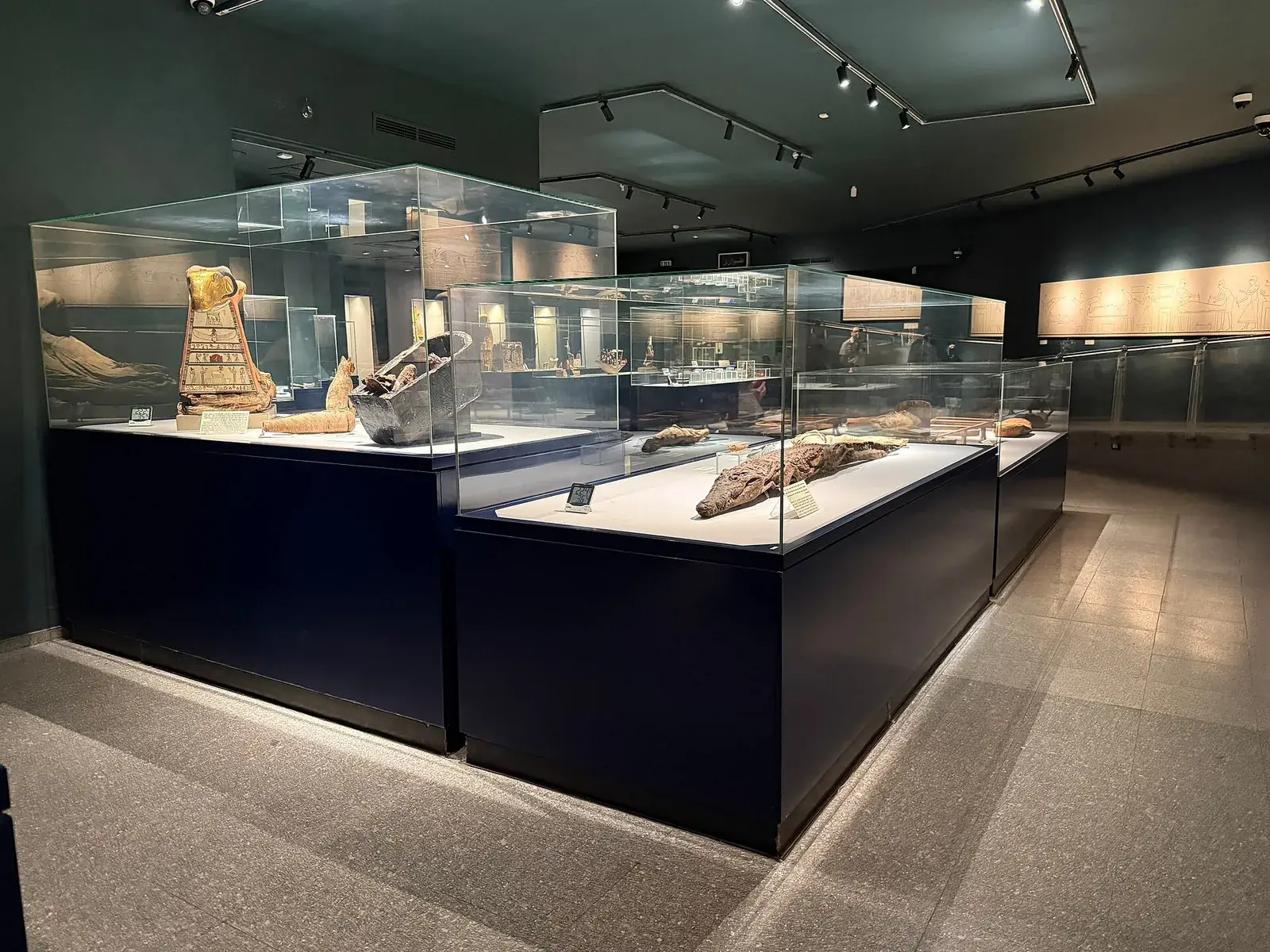

Mummification Museum
Photo: Google Maps- Type
- Archaeological museum
- Address
- ش Kornish Al Nile, Luxor City, Luxor, Luxor Governorate 1362501
- Area
- Luxor city centre (East Bank)
- Entry fee
- Foreign visitors pay EGP 220 for adults and EGP 110 for students.2
- With children
- Children under 6 get in free.2Children must be with an adult inside the museum at all times.2
- Google rating
- 4.3 (1,347 reviews) on Google Maps, checked October 2026
- On the map
- Open in Google Maps
| Day | Hours |
|---|---|
| Monday | 09:00–14:00, 17:00–21:00 |
| Tuesday | 09:00–14:00, 17:00–21:00 |
| Wednesday | 09:00–14:00, 17:00–21:00 |
| Thursday | 09:00–14:00, 17:00–21:00 |
| Friday | 09:00–14:00, 17:00–21:00 |
| Saturday | 09:00–14:00, 17:00–21:00 |
| Sunday | 09:00–14:00, 17:00–21:00 |
Before you go
Opening hours and tickets
The museum opens every day2 in a morning and an evening session, and the ticket window closes before the doors do.
Foreign adults EGP 2202
| Session | Doors open | Last tickets |
|---|---|---|
| Morning | 9:00 am–2:00 pm2 (checked October 2026) |
1:00 pm2 |
| Evening | 5:00 pm–9:00 pm2 |
8:00 pm2 |
| Ramadan | 9:00 am–3:00 pm2 |
2:00 pm2 |
Mummification Museum tickets
| Ticket | Adult | Child |
|---|---|---|
| Foreign adult | EGP 220 | – |
| Foreign student | EGP 110 | – |
| Egyptian adult | EGP 20 | – |
| Egyptian student | EGP 5 | – |
| Children under 6 | – | Free |
egymonuments.gov.eg (official)
Inside the galleries
What’s on display
The museum explains how the embalmers worked, with the tools, objects and equipment used in mummification2 shown beside the results. Look out for:
Opened 7 May 19976
- Human remains and coffins: mummified remains and elaborately decorated coffins2.
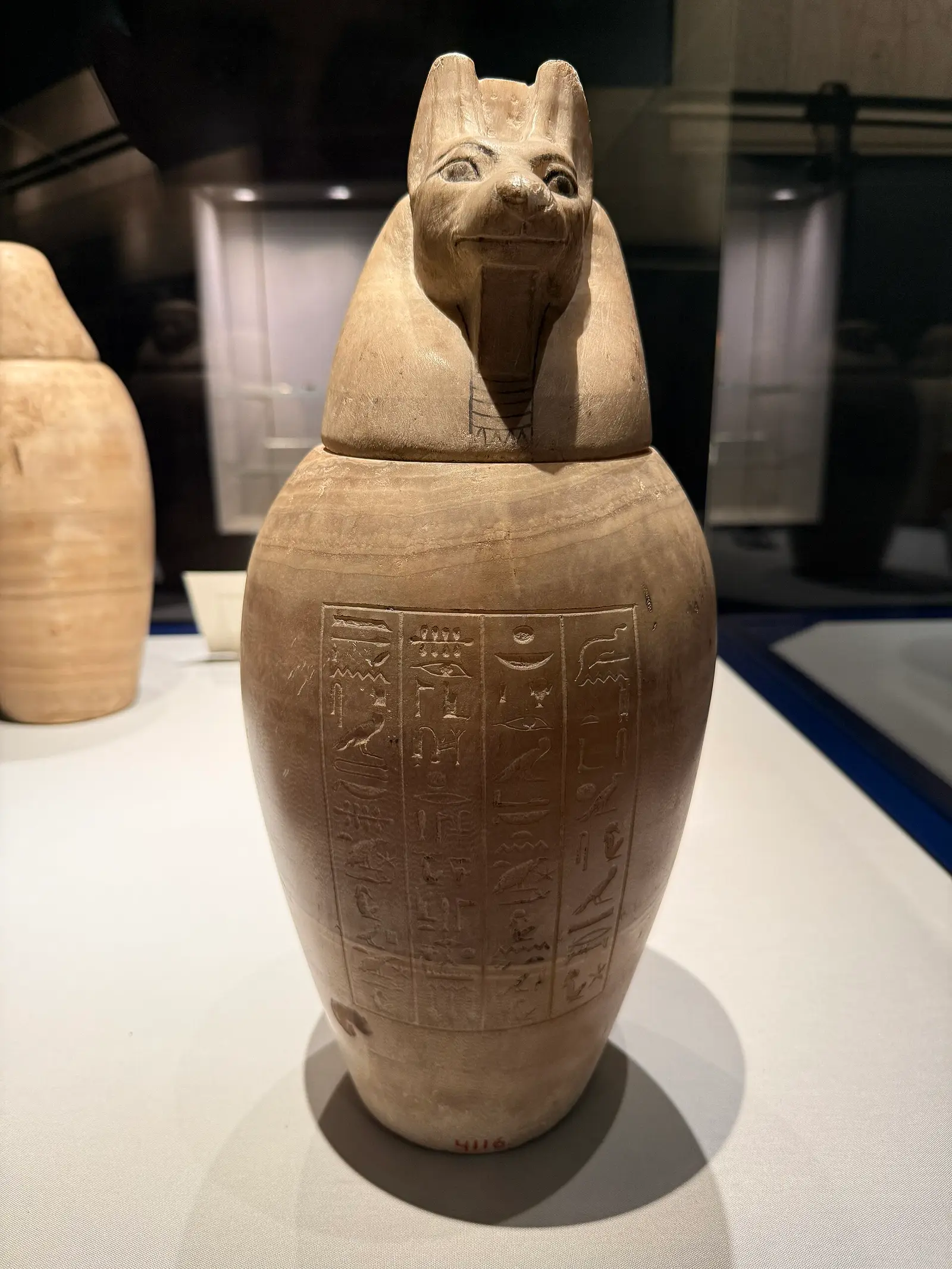
- Ritual objects: canopic jars, amulets and statues of deities2.
- Animal mummies: cats, fish and crocodiles1.
- A high priest: the mummy of Masaharta, a 21st Dynasty High Priest of Amun1, which used to be in the Egyptian Museum.
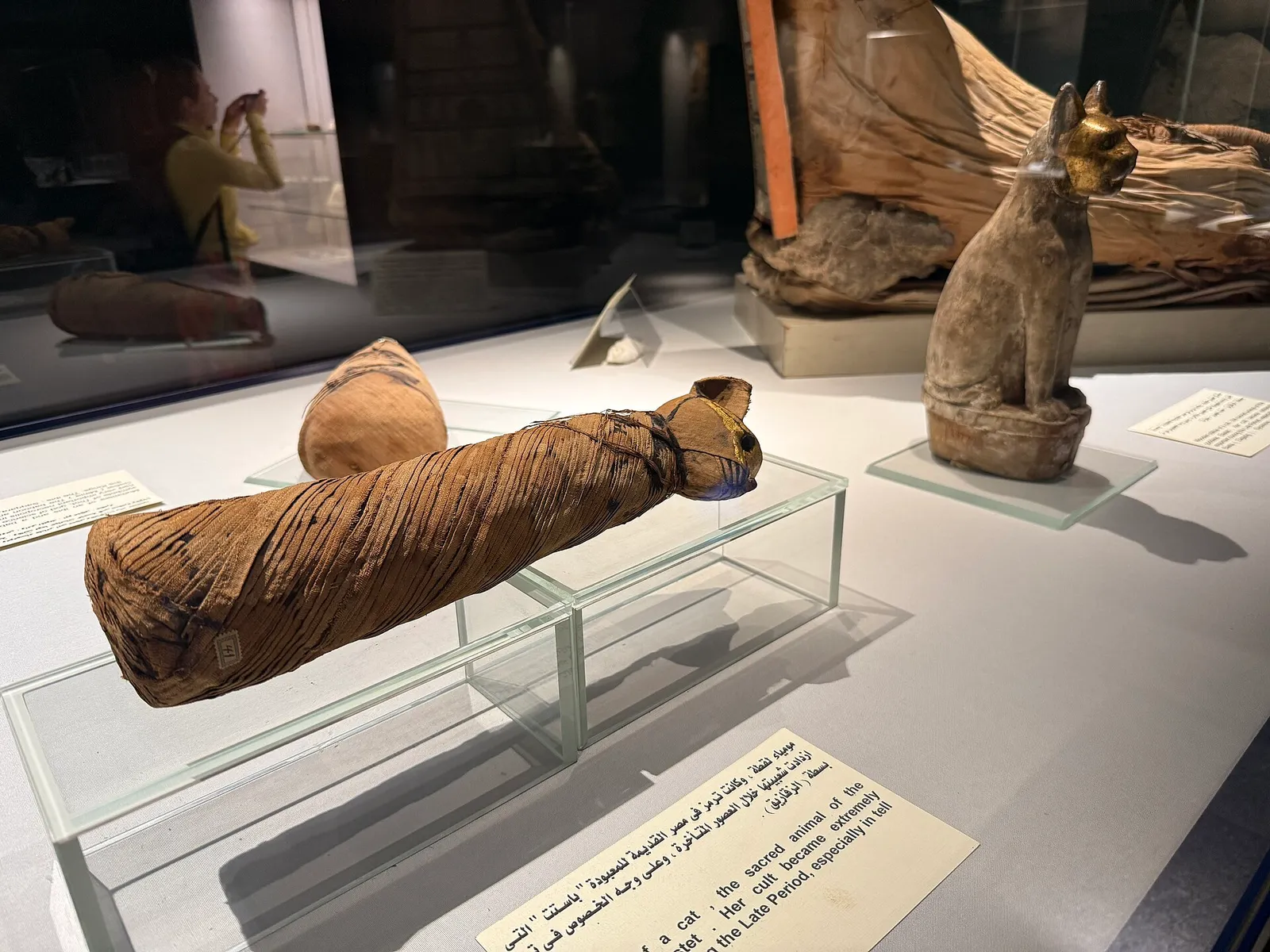
The museum opened on 7 May 1997 and covers about 2,000 square metres6.
The embalmers' craft
How mummification worked
The displays follow a process believed to have taken around 70 days2, with many rituals along the way. Here’s what the embalmers did:
Around 70 days2
- Organs out: they were removed through a small 10 cm cut2 in the left side of the body.
- Drying: the body was packed in natron salt from Wadi El Natron for about 40 days2.
- Wrapping: layers of linen bandages went on, and the number of layers varied widely7 from person to person.
- Protection: magical amulets were placed within the linen wrappings2 to guard the dead.
Watching over the whole job was Anubis, the jackal god of embalming and mummification2. People weren’t the only ones preserved: the Egyptians embalmed cats, dogs and crocodiles2 too.
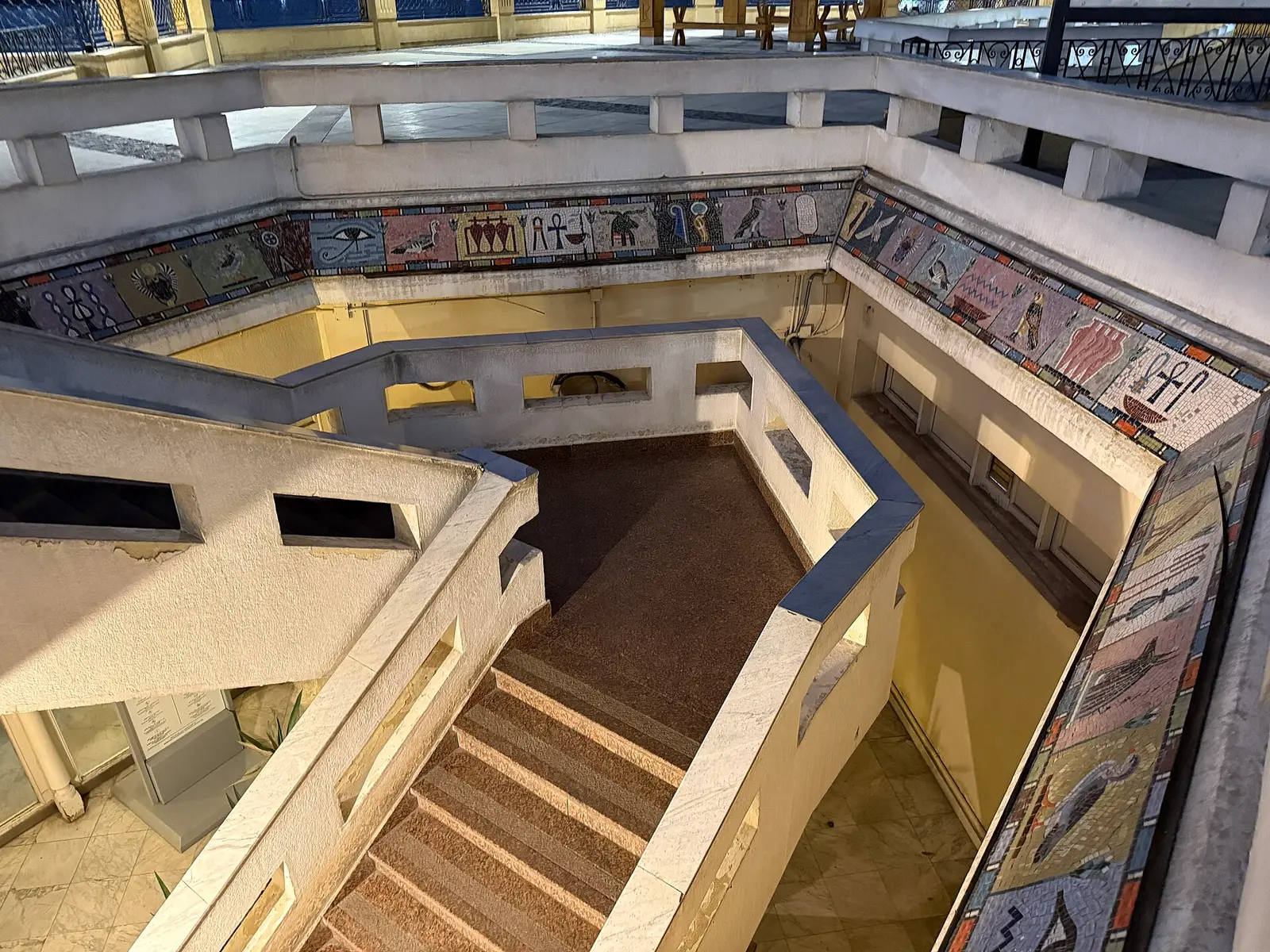
On the Corniche
How do you get to the museum?
The museum stands on the Corniche north of Luxor Temple, in front of the Mina Palace Hotel1, so from the temple you simply head north along the river.
It’s on the East Bank, with the city, hotels and restaurants8, so there’s no river crossing. For a taxi driver, Google Maps gives the street as Kornish Al Nile, Luxor City9.
Families and access
Who it suits
Families and anyone dodging the heat should know these points before going in.
Under 6s free2
- Small children: children under 6 get in free, and children must be with an adult inside the museum at all times2.
- Younger or sensitive visitors: real mummified remains2 are on show, so prepare children for that.
- Wheelchair users: Civitatis, a booking agency, lists its guided tour of Luxor Museum and this museum as wheelchair accessible if you say so when booking10. Ask before you go.
- Heat: summer highs run above 40 °C11, so the evening session is the easier choice then; the best season to visit Luxor is November to early March8.
Pair it with
Nearby on the East Bank
Pair the museum with the temples and the larger museum along the same riverfront.
- Luxor Temple: the museum sits north of it on the Corniche. Read Luxor Temple’s visitor guide, or see both big temples with a guide on the Karnak and Luxor Temple tour with lunch.
- Luxor Museum: also on the Corniche, about halfway between Luxor and Karnak temples4.
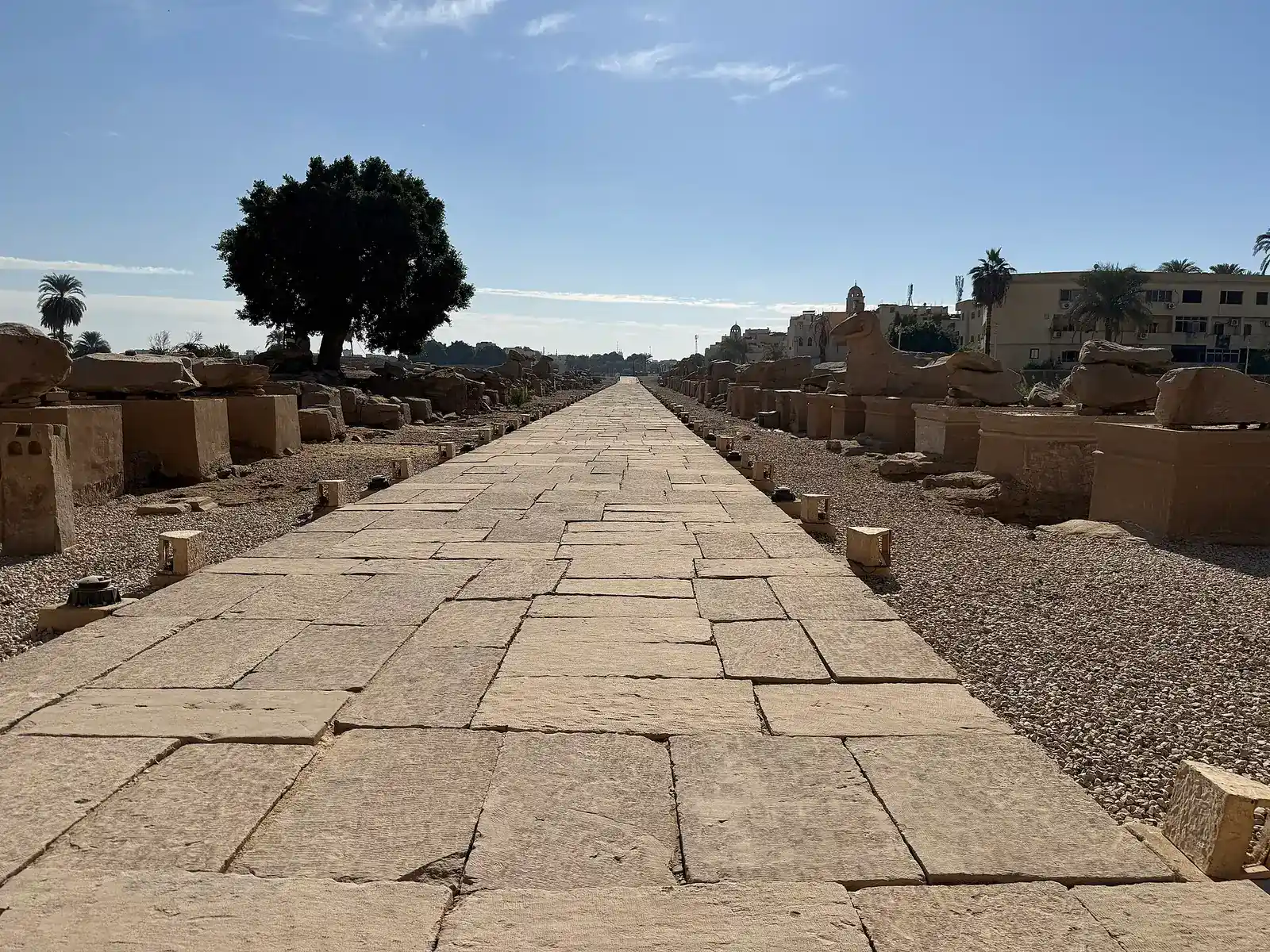
- Sphinx Avenue: Egypt’s official tourism site recommends walking the newly reopened, 3,000-year-old12 Sphinx Avenue from Luxor Temple to Karnak.
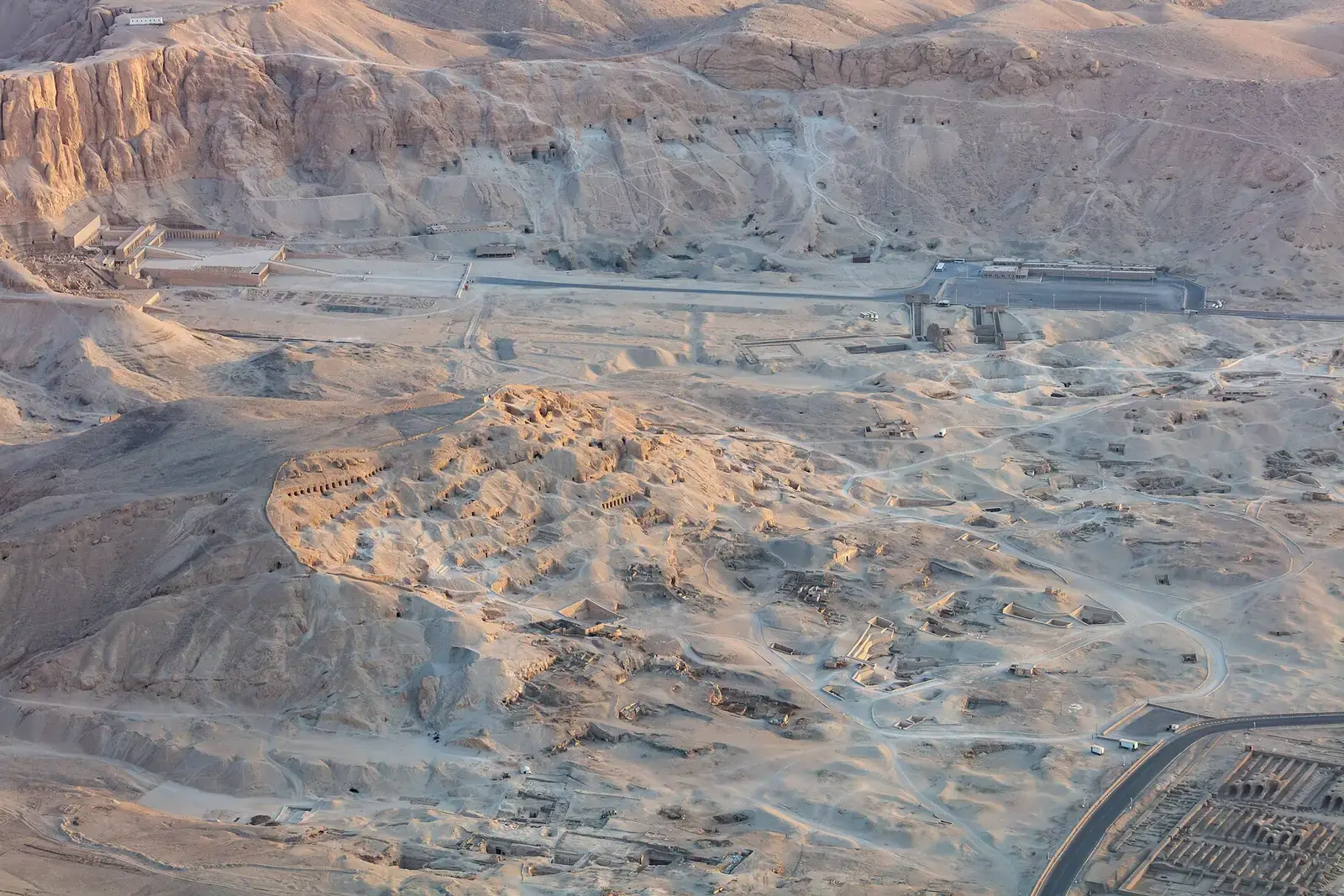
To see where the mummies were actually buried, cross the river. The West Bank holds the major ruins, including the Valley of the Kings and the Valley of the Queens8: start with the ancient Egyptian noble tombs in Luxor and the royal tombs in the Valley of the Kings.
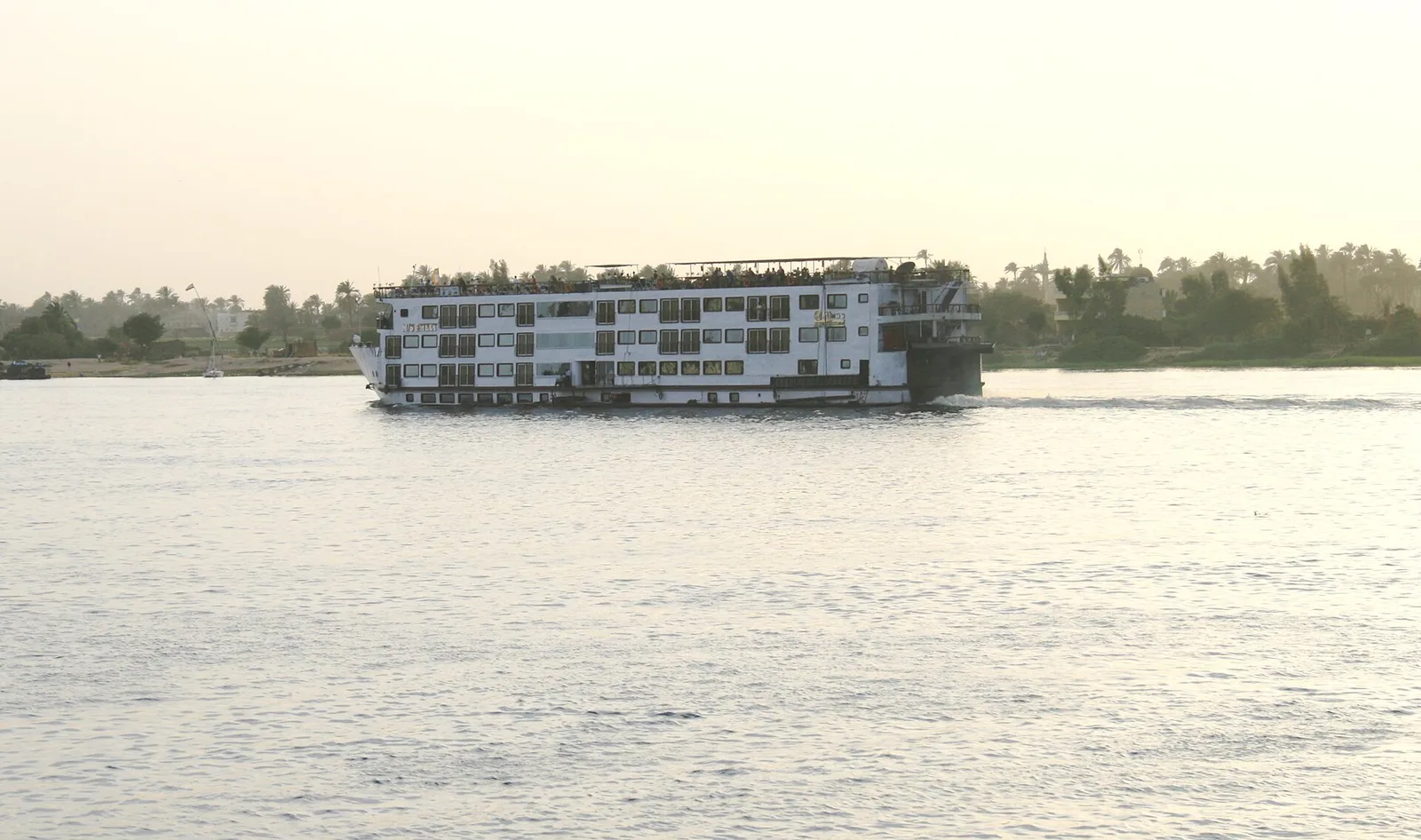
Visiting Luxor as part of a river trip? Read more on Cairo to Aswan cruises and the Nile cruise itinerary guide, or browse the rest of Luxor’s things to do.
Questions people ask
Is Luxor Museum worth visiting?
Wikivoyage calls its collection small but high quality, mainly from the Luxor region, and Egypt's tourism site says it shows selected artefacts from King Tut's tomb.
Where are most of Tutankhamun's tomb goods now?
Most of the tomb's goods are in the Grand Egyptian Museum in Giza.
Does the British Museum still have Egyptian artefacts?
Yes. Wikipedia puts its Egyptian collections at over 110,000 objects, with the Rosetta Stone in Room 4.
Photos: Wikimedia Commons and Pexels. Authors and licences: image credits
Checked against 14 sources · last checked October 2026
- Wikipedia · checked October 2026
- egymonuments.gov.eg (official) · checked October 2026
- Central Bank of Egypt (official, via Frankfurter) · checked October 2026
- Wikivoyage · checked October 2026
- english.ahram.org.eg (news) · checked October 2026
- egymonuments.gov.eg (official) · checked October 2026
- University of Sydney · checked October 2026
- Wikivoyage · checked October 2026
- Google Maps listings via DataForSEO · checked October 2026
- Civitatis (booking agent) · checked October 2026
- Wikipedia · checked October 2026
- Experience Egypt (official) · checked October 2026
- Wikipedia · checked October 2026
- Wikipedia · checked October 2026
Page history · last changed 23 October 2026
- First written