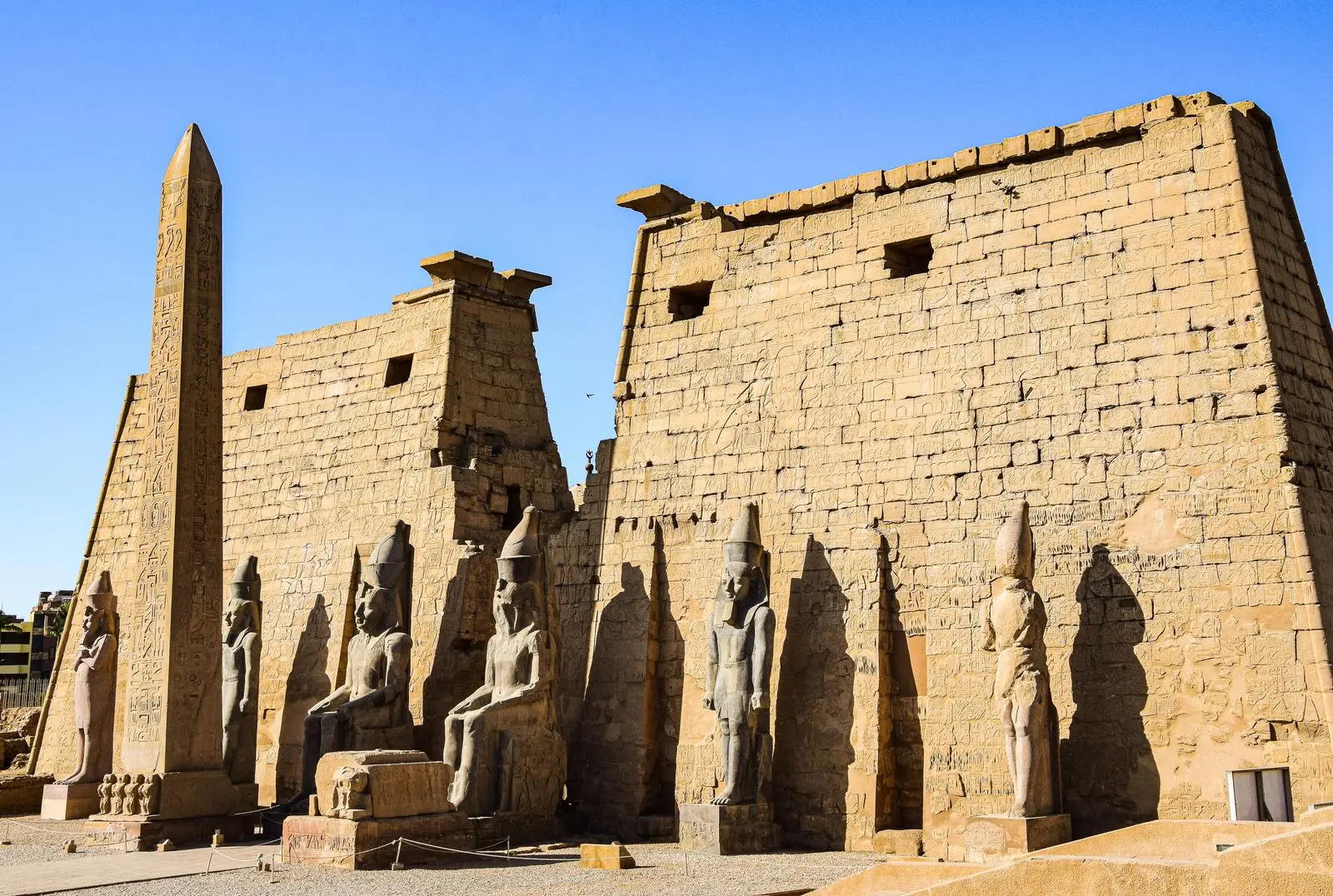
4 hoursPickup includedFree cancellation
Special Egypt
Luxor: Karnak Temple and Luxor Temple Tour with Lunch
fromUS$52
See dates on GetYourGuide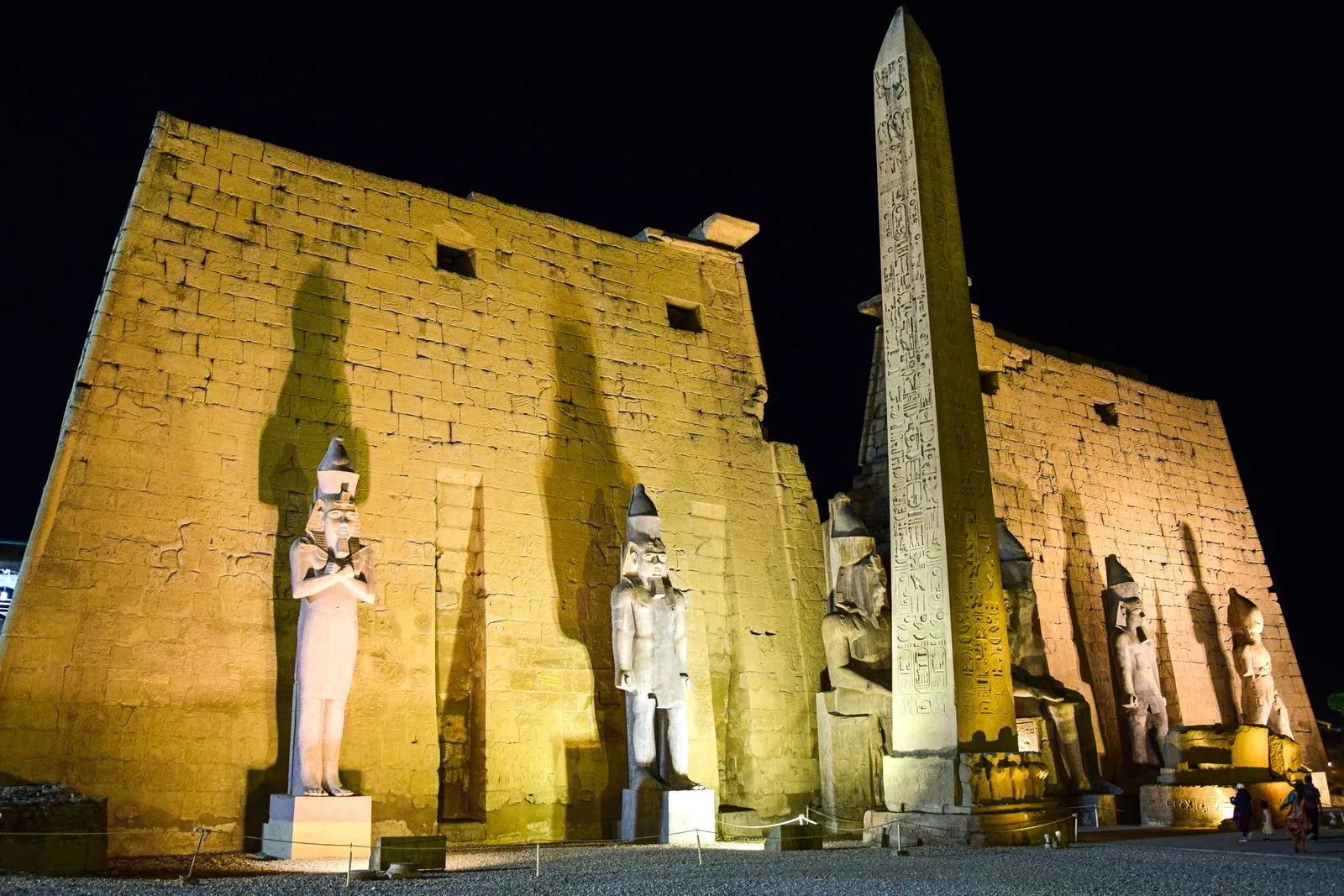

Luxor Temple
Photo: Google Maps| Day | Hours |
|---|---|
| Monday | 06:00–20:00 |
| Tuesday | 06:00–20:00 |
| Wednesday | 06:00–20:00 |
| Thursday | 06:00–20:00 |
| Friday | 06:00–20:00 |
| Saturday | 06:00–20:00 |
| Sunday | 06:00–20:00 |
Tickets
What you pay at Luxor Temple depends on your nationality and your student status. The temple is a large temple complex on the east bank of the Nile4 in Luxor city, and you buy your ticket at the entrance.
Foreign adult: EGP 5001
| Ticket | Adult |
|---|---|
| Foreign adult | EGP 500 |
| Foreign student | EGP 250 |
| Egyptian adult | EGP 40 |
| Egyptian student | EGP 20 |
| Karnak, foreign adult | EGP 600 |
| Karnak, student | EGP 300 |
egymonuments.gov.eg (official); Wikivoyage
The student rate covers students up to age 305, so bring your student card if you’re under that age.
Opening hours
Luxor Temple is open every day from 6AM to 8PM1 (checked October 2026), according to Egypt’s official monuments site. Those hours match Google Maps; only Wikivoyage lists a later close in winter.
Open every day, 6AM–8PM1
| Source | Opening hours |
|---|---|
| egymonuments.gov.eg (official) | Every day, 6AM–8PM1 |
| Google Maps (via DataForSEO) | Mon–Sun 06:00–20:006 |
| Wikivoyage | May–Sep 6AM–8PM, Oct–Apr 6AM–9PM5 |
Plan around the official 8PM1 close, since the later winter hour isn’t confirmed. Luxor’s main temples rarely, if ever, close7, so there’s no weekly closing day to work around.
Inside the temple
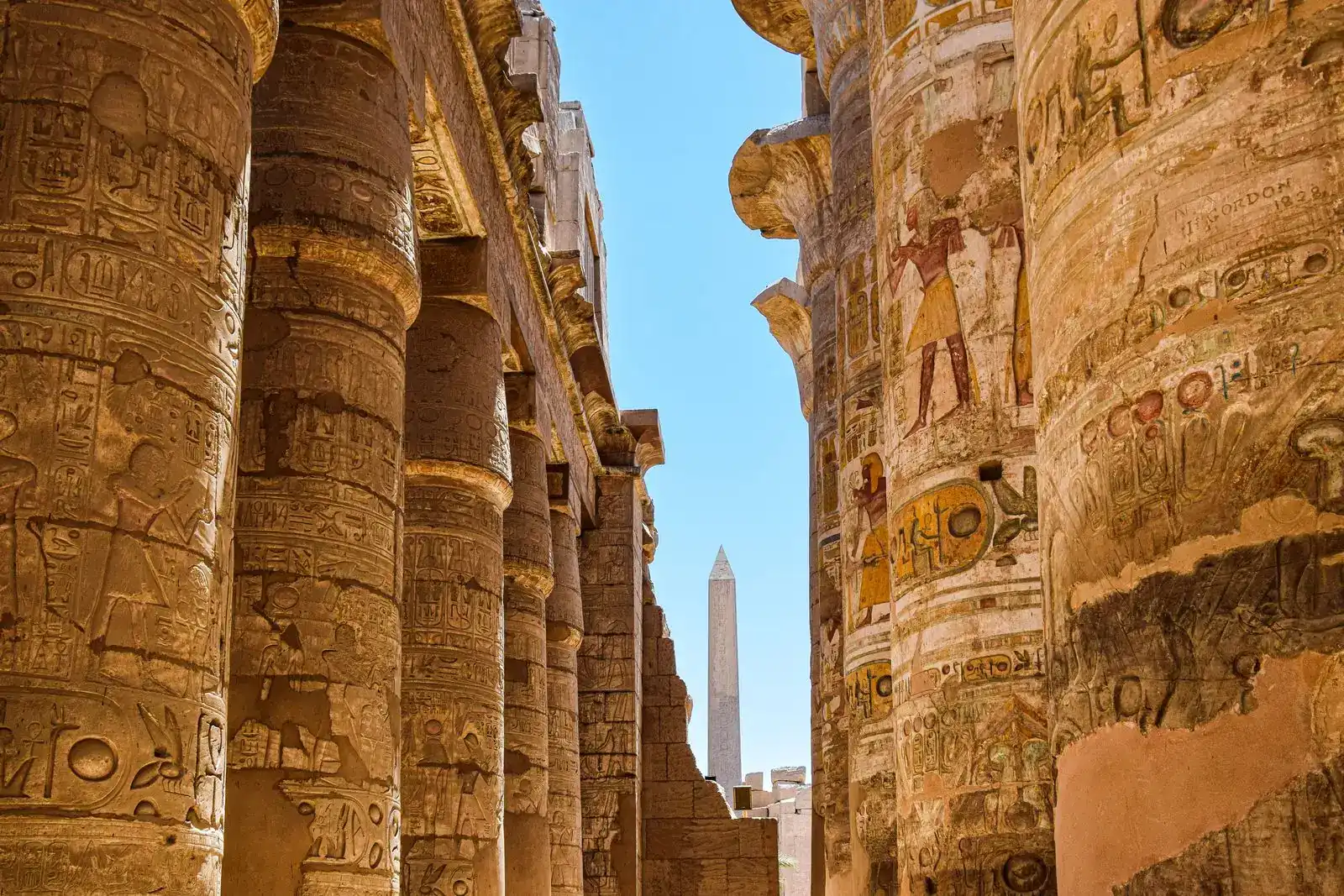
Luxor Temple is largely the work of Amenhotep III and Ramesses II5, and their statues greet you before you’re even inside. It’s more compact than Karnak, with more of the large statues5 in Wikivoyage’s view, though less vast.
Built around 1400 BC4
Things to look out for:
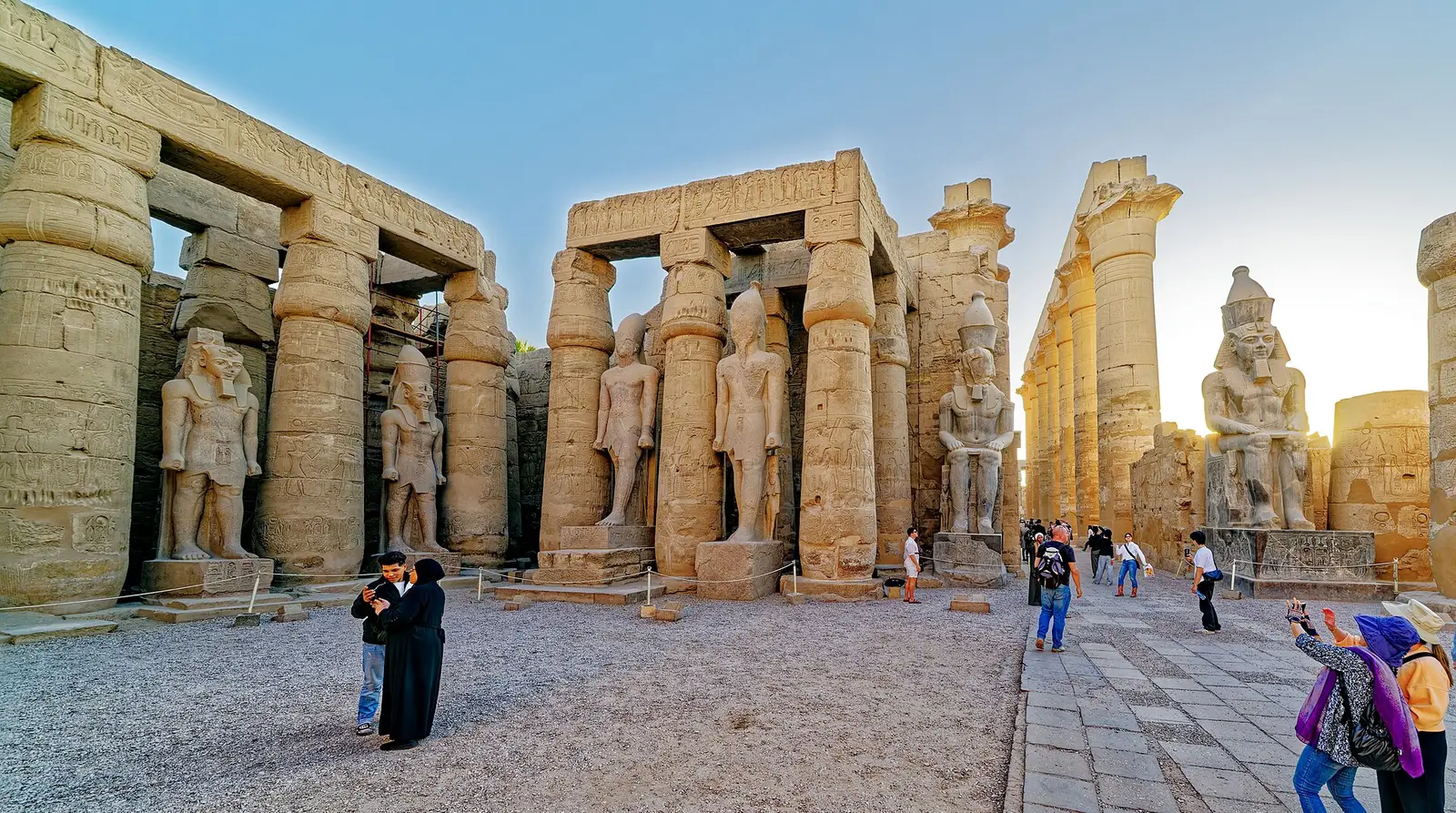
The ancient Egyptians called it Ipet-resyt, the “Southern Sanctuary”1. The temple was built around 1400 BC4, and its oldest evidence goes back to the Eighteenth Dynasty (c. 1550–1295 BC)1.
Luxor Temple wasn’t built for a single deity: unlike other Theban temples, it isn’t dedicated to a cult god or to a deified pharaoh after death4. Instead it hosted a great religious festival.
During the Opet Festival, the cult images of Amun, Mut and Khonsu were brought from their temples in Karnak1 to Luxor Temple. That’s why the temple faces Karnak.
After dark
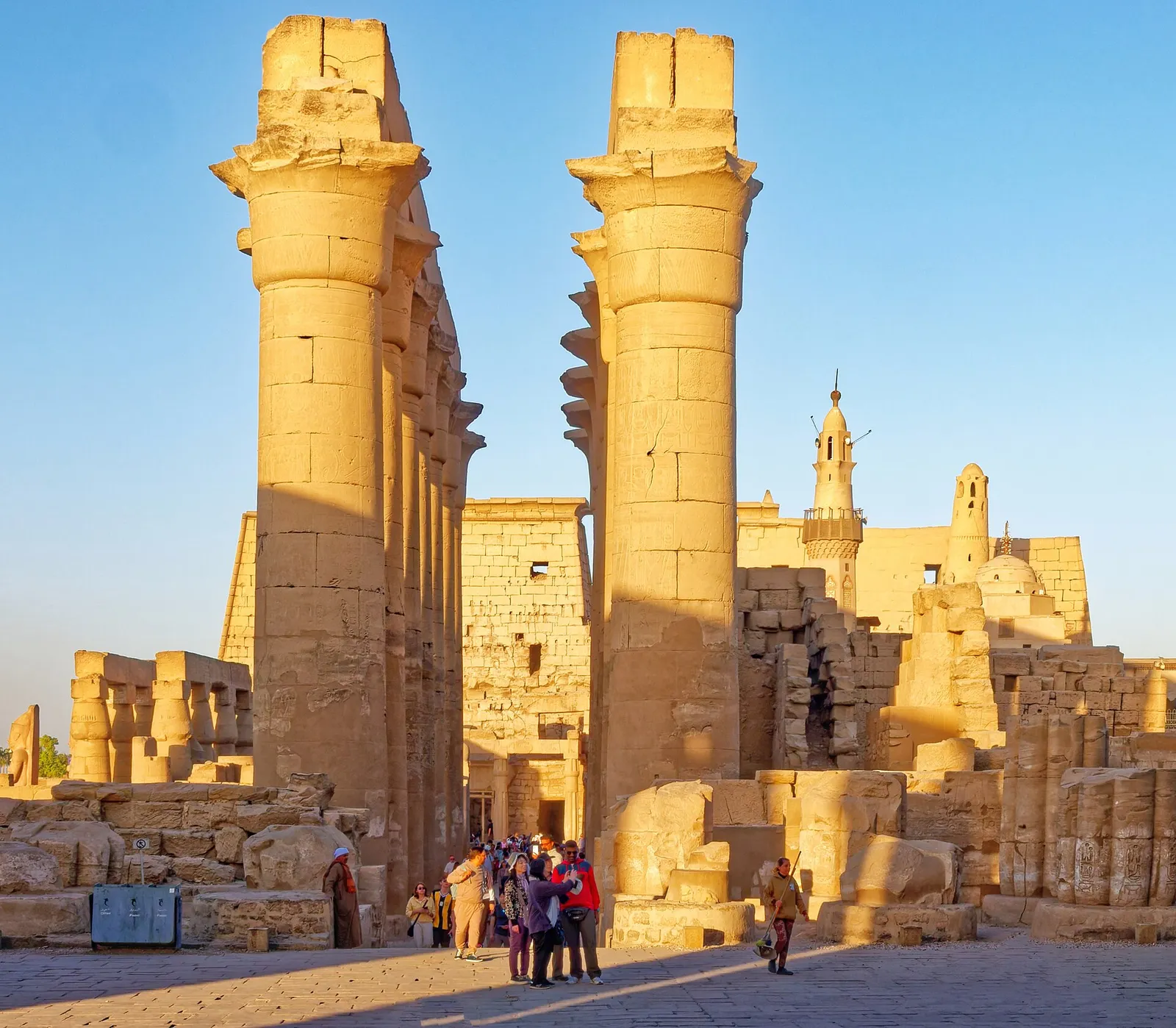
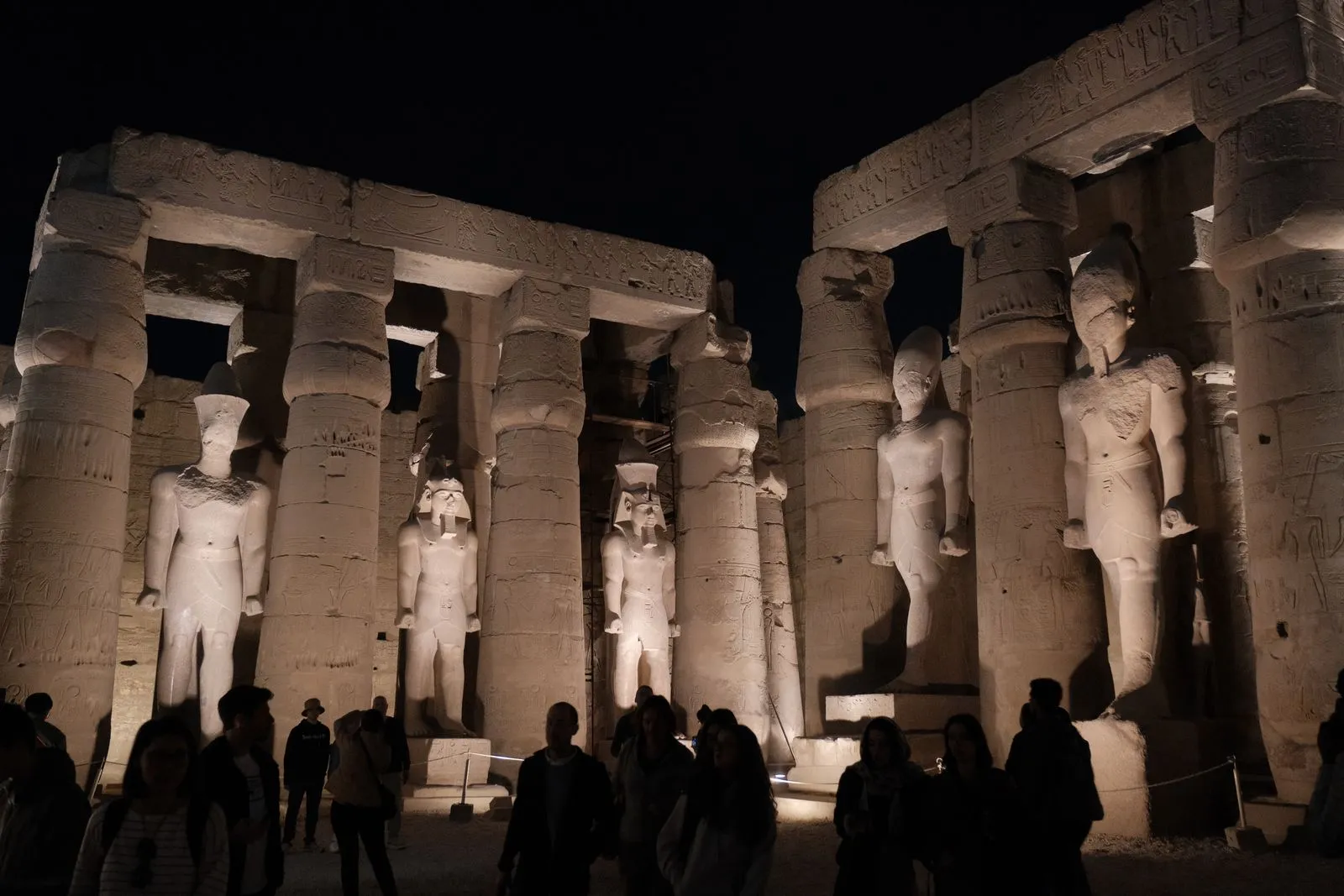
Luxor Temple after dark is worth a second visit: Wikivoyage recommends coming back at night, when the temple is atmospherically lit5. Go in the evening before the official 8PM1 close.
Getting there
Luxor Temple is in the centre of town: the East Bank is built around Luxor Temple and Karnak Temple5. Most visitors walk or take a short taxi.
Short taxi trips: EGP 40–607
Landmarks help you find your way. The Winter Palace Hotel stands just south of Luxor Temple10, buses for most major cities leave from behind Luxor Temple, and the older market covers several streets near the temple7.
Luxor Temple is relatively accessible compared with many ancient Egyptian sites11, going by the tour companies that guide there. Its main axis is flat and largely wheelchair-accessible12, according to Egypt Day Tours.
Another operator, Egypt Tours Plus, says wheelchair users can get around substantial sections of the complex11. Neither describes ramps or toilets, so ask your guide or hotel about the current set-up before you go.
Pair it with
The East Bank’s other big sights sit along the same stretch of river, so Luxor Temple fits easily into a day with them.
Karnak is about 3 km away5
Across the river, the West Bank holds the major ruins, including the Valley of the Kings7. Take the ferry over and start with this guide to the Colossi of Memnon, or end the day with a felucca ride on the Nile. There’s more on things to do in Luxor on the hub page.
A guided tour sorts out transport and explanations for you. Special Egypt’s East Bank tour covers Karnak Temple and Luxor Temple, with lunch.
4 hoursPickup includedFree cancellation
Special Egypt
fromUS$52
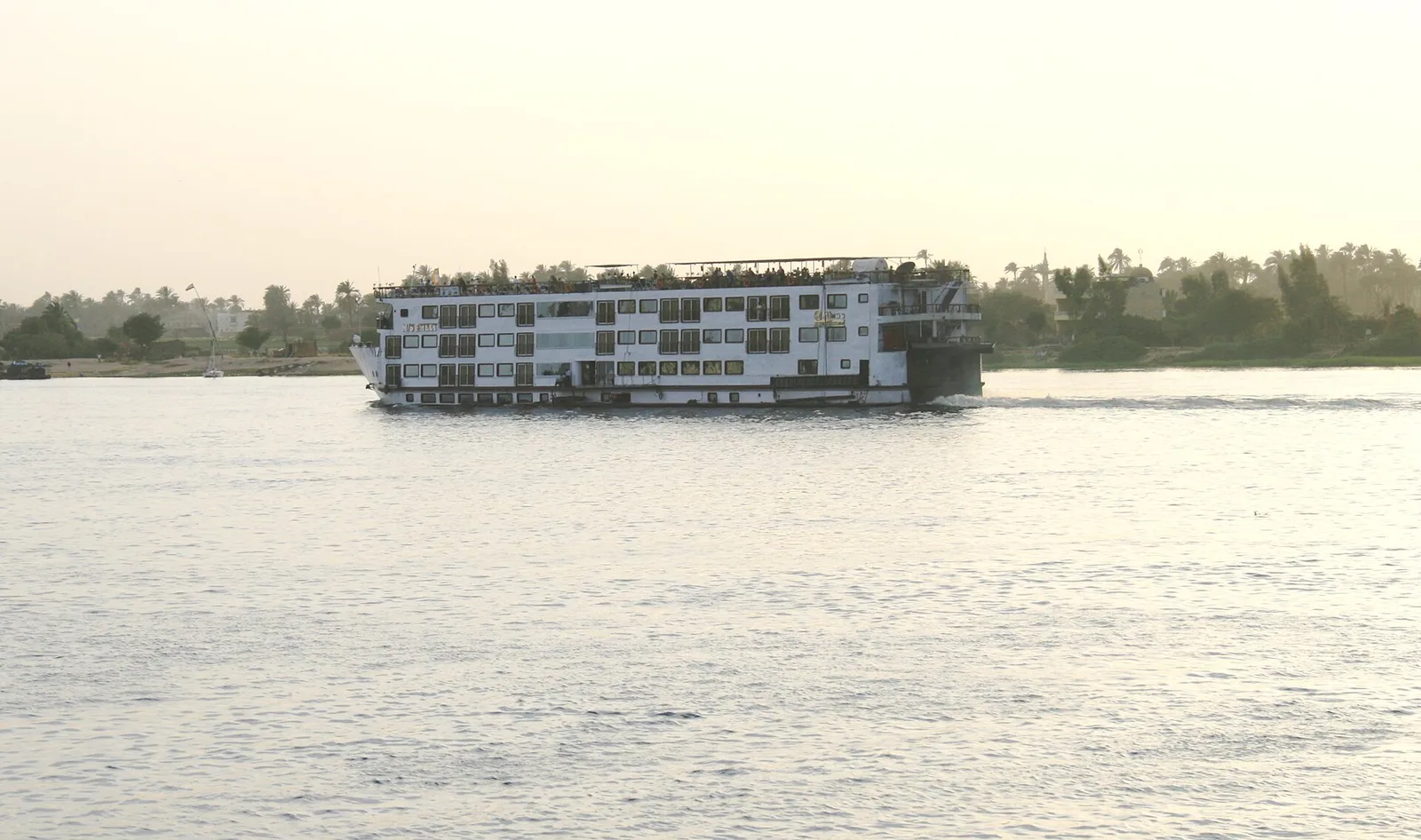
See dates on GetYourGuideSeeing Luxor from a boat instead? Compare Nile cruise trip length options and check the Nile cruise temple stops by day before you book.
Photos: Wikimedia Commons and Pexels. Authors and licences: image credits